The Strut Bar: Linking the Towers
A strut bar (also called a strut brace or strut tower brace) is an aftermarket addition designed to provide extra stiffness between the strut towers. The two towers sit at either end of the front or rear suspension mounting points and, without bracing, can move relative to each other when the chassis flexes.
The brace links the towers together directly. This reduces strut tower flex, improves chassis rigidity, sharpens steering precision, and reduces understeer and tyre wear during cornering and braking. Lowering suspension helps handling, but a strut brace delivers superior results by eliminating relative movement between suspension pillars through direct physical contact rather than relying on spring changes alone.
Why Chassis Flex Is the Enemy
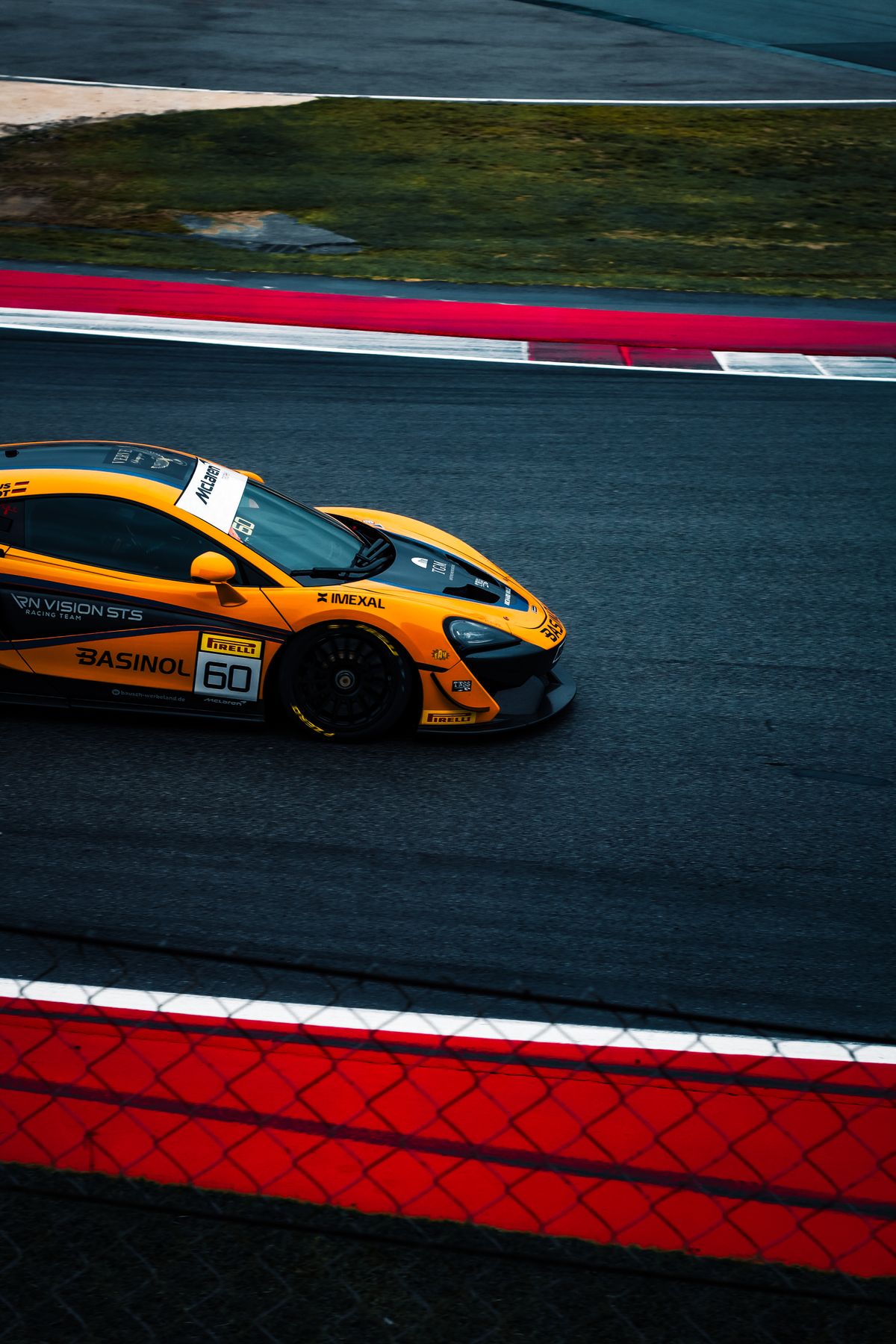
During fast cornering, one side of the vehicle can experience up to three times more force than the other. This causes chassis flex. Chassis flex is a problem for two reasons:
First, we cannot control it. Flex is unplanned movement that undermines suspension tuning. Your alignment settings, camber, caster and toe are set assuming the chassis remains rigid. When it flexes, those settings change dynamically under load. The car behaves unpredictably because the geometry the suspension is working against is no longer the one it was set up for.
Second, on track cars that see sustained cornering forces, strut towers can spread over time. This places the brace bars under tension or compression depending on operating conditions. Street cars experience exactly the same forces, just less frequently.
Before bracing, shock impact concentrates force on a single strut tower. After bracing, forces distribute evenly across both sides of the chassis simultaneously. The suspension can do its job because the platform it is mounted to stays consistent.
FWD vs RWD: Which Brace Goes Where
Front-wheel-drive vehicles naturally tend towards understeer because the front tyres handle steering, braking and drive forces simultaneously. Installing rear strut braces and anti-roll bars corrects this tendency and brings the handling balance closer to neutral.
Rear-wheel-drive vehicles naturally tend towards oversteer. The rear tyres handle both cornering forces and engine torque under acceleration. Front chassis reinforcement helps counteract this by keeping the nose planted and reducing front flex, which maintains steering response when the rear is working hard.
Benefits of Fitting a Strut Bar
Body Roll Explained
Body roll happens when you turn into a corner. Weight transfers outward while the wheels remain relatively level, creating independent body movement relative to wheel position. The body and the wheels are no longer moving as one unit. This decoupling reduces the accuracy with which the suspension can do its job because the angles the suspension links are working at change throughout the corner.
Lower Arm Bars: The Subframe Solution
When a strut bar is installed, the forces that previously concentrated on a single point are shared across the full chassis width. Installing a lower arm bar achieves the same result at the subframe level. The front or rear cradle is prevented from racking (twisting along its length) under braking and cornering forces. Combined with a strut bar, the result is a chassis that behaves consistently from top to bottom.
Fender Braces: The Underrated Upgrade
Fender braces are the least popular chassis reinforcement product in South Africa, which is a shame because they are among the most effective. They prevent A-pillar distortion and reduce chassis flex in the door aperture area, which feeds directly into strut tower movement.
The A-pillar connects the firewall to the roofline. Any flex here affects the entire front chassis structure. Fender braces brace this connection and maintain door-gap consistency, which is a visible indicator of chassis integrity. If your door gaps are uneven on a car that has seen hard use, A-pillar flex is a likely contributor.
Side Lower Braces
Side lower braces stabilise weight transfer on uneven roads and minimise side-impact damage to undercarriage sections. They keep the sill structure from deforming laterally, which is relevant on vehicles that see mixed-surface driving. South African roads are not always smooth, and sill flex on rough tar or gravel is more common than most drivers realise.
Anti-Roll Bars / Sway Bars
A sway bar (correctly called an anti-sway bar or anti-roll bar) operates as a torsion spring that resists body lean during cornering. It transfers load from the compressed (outside) spring to the unloaded (inside) spring during a corner, keeping the body flatter and the tyre contact patches more evenly loaded.
A stiffer anti-roll bar can reduce body roll by up to 40%. The practical effect is a car that sits flatter through corners, responds more predictably to steering input, and keeps its tyre contact patches working at a more consistent angle throughout the arc of the corner. Combined with a strut brace and lower arm bar, it completes a full chassis reinforcement setup that works from every direction simultaneously.