These driving terms describe how vehicles respond when tyres approach their traction limits. Rather than suddenly skidding, tyres slip sideways at a progressive angle. This angle is called the SLIP ANGLE, and it provides drivers with warning before full control is lost. Understanding the difference between oversteer and understeer is fundamental to making good decisions about chassis reinforcement, anti-roll bar stiffness and suspension setup.
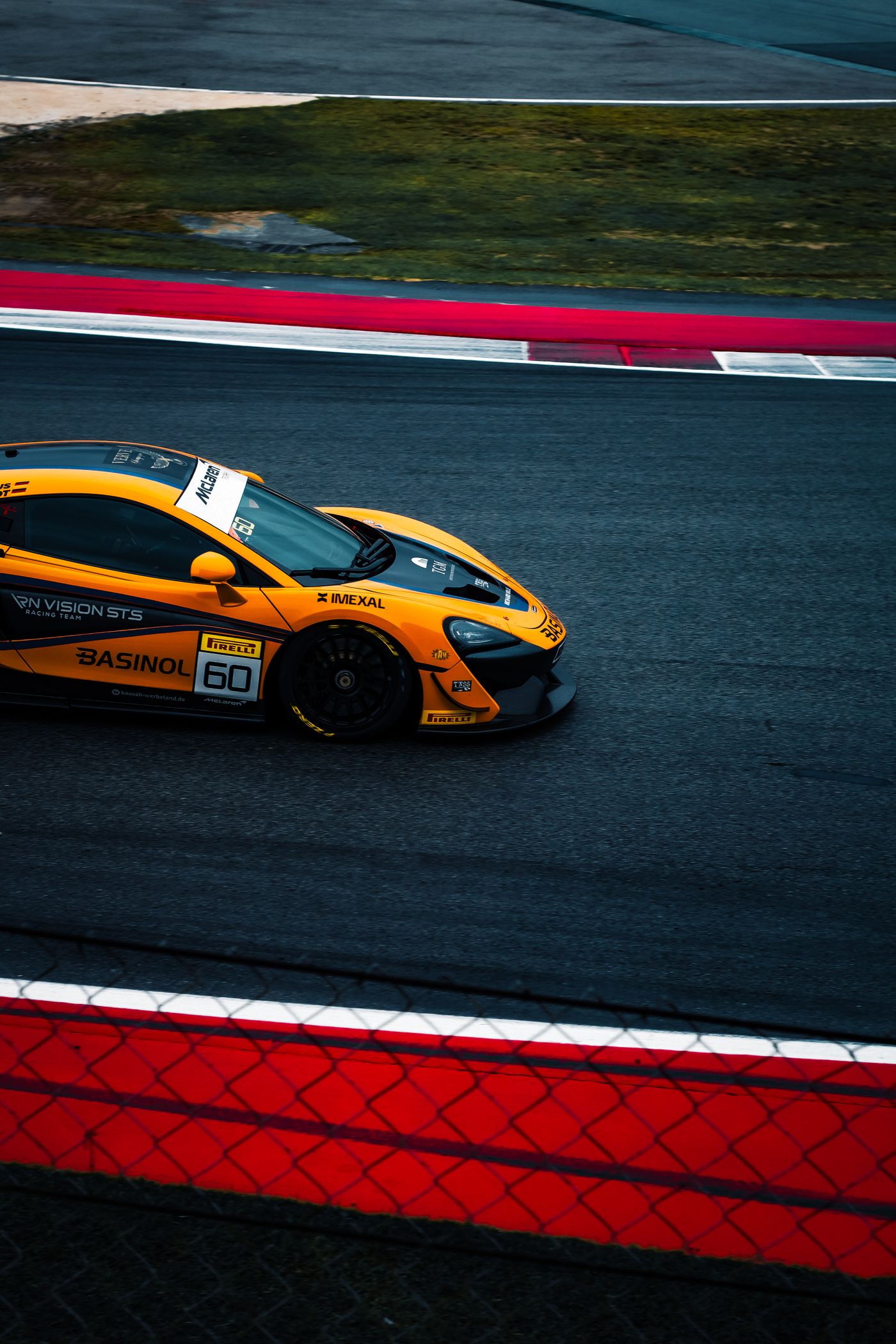
Oversteer
The car turns more than intended. Rear tyres lose grip first. The rear steps out. Counter-steer required to catch the slide.
Understeer
The car turns less than intended. Front tyres lose grip first. The car pushes wide. Generally safer but still needs correction.
Oversteer Explained
Oversteer occurs when a car turns more than expected. This happens when rear tyres lose grip before front tyres during cornering, causing the rear to slide outward. The driver must apply opposite lock (counter-steer) to catch the slide.
Rear-wheel-drive vehicles are particularly susceptible to oversteer because the rear tyres must handle both cornering forces and engine torque simultaneously. This dual demand pushes the rear closer to its traction limit under power. Under hard acceleration out of a corner on a rear-wheel-drive car, the rear tyres are being asked to generate both lateral force (to go around the corner) and longitudinal force (to accelerate). Ask too much of them and they let go.
Snap Oversteer: Unchecked oversteer creates a dangerous cycle. The smaller effective turning radius increases cornering forces further, pushing the rear tyres even closer to their limit, which worsens the oversteer until the vehicle spins completely. This is also called Lift-Off Oversteer when triggered by sudden throttle release mid-corner.
What Causes Oversteer
- Rear-wheel-drive platform with too much power for the rear tyre grip level
- Rear tyres significantly softer or narrower than fronts
- Rear anti-roll bar too stiff relative to front
- Excessive rear negative camber reducing cornering grip
- Mid-corner throttle lift inducing weight transfer to the front
- Worn rear bushings allowing excess chassis flex at the rear
Understeer Explained
Understeer occurs when the front tyres approach their traction limit first, causing the vehicle to take a wider turning radius than the driver intended. The car continues towards the outside of the corner despite steering input.
Front-wheel-drive vehicles are particularly susceptible because the front tyres must handle steering, braking, and drive forces simultaneously. Adding drive force to a tyre already working hard to steer reduces the lateral grip available, which is why FWD cars tend to push wide under hard acceleration out of a tight corner.
What Causes Understeer
- Front-wheel-drive drivetrain applying torque through the steered wheels
- Front tyres significantly softer or narrower than rears
- Front anti-roll bar too stiff relative to rear, loading the front too heavily
- Chassis flex allowing the front strut towers to spread, reducing front tyre contact patch
- Worn front bushings causing imprecise steering response
- Excessive front toe causing instability at corner entry
Safety Comparison
Understeer is generally regarded as being safer than oversteer. If understeer occurs without correction, the result is a wider corner: the car runs wide but stays pointing forward. With oversteer, the rear steps out and the vehicle can spin if the driver does not react quickly enough with counter-steer.
This is why most road cars are engineered with a mild understeer bias from the factory. It is a predictable behaviour that most drivers can manage instinctively. Performance cars are tuned closer to neutral, and track-focused builds may even accept mild oversteer because skilled drivers find it faster through many corner types.
How Chassis Bracing Affects Handling Balance
Chassis bracing does not change the fundamental oversteer or understeer tendency of a drivetrain layout, but it does make whatever tendency exists more predictable and consistent. A flexy chassis means the suspension geometry is constantly changing as the car corners hard, which makes the handling feel vague and unpredictable. Fitting front and rear strut bars removes that variable, so the suspension can do exactly what it was designed to do.
Front-wheel-drive vehicles naturally tend towards understeer. Installing rear strut braces and rear anti-roll bars corrects this tendency and brings the handling balance closer to neutral. Rear-wheel-drive vehicles naturally tend towards oversteer. Front chassis reinforcement helps counteract this by keeping the nose planted and reducing front flex.
Anti-Roll Bars and Handling Balance
Anti-roll bars (sway bars) are the primary tool for adjusting handling balance between oversteer and understeer on a built car. A stiffer front anti-roll bar relative to the rear increases understeer tendency. A stiffer rear bar increases oversteer tendency.
The anti-roll bar works by transferring load from the compressed (outside) spring to the unloaded (inside) spring during cornering, keeping the body flatter and the contact patches more evenly loaded. Ultra Racing supplies front and rear adjustable anti-roll bars for a wide range of ZA market vehicles, allowing you to fine-tune handling balance to suit your driving style and circuit.
- A stiffer rear ARB increases oversteer tendency (good for balanced neutral on FWD)
- A stiffer front ARB increases understeer tendency (useful for calming an oversteering RWD)
- Matched front and rear ARB upgrades improve body roll control without upsetting balance
- Combined chassis bracing and ARB upgrades give you the most consistent, predictable handling
Practical Takeaways
Understanding chassis forces and tyre slip angles is fundamental to understanding vehicle handling dynamics. It is also essential context for making informed decisions about which chassis reinforcement products to fit, what anti-roll bar stiffness to target, and how to set up your suspension.
If you want to discuss handling balance, chassis reinforcement or anti-roll bar options for your specific car, WhatsApp us your make, model and year and we will give you honest advice based on our experience with hundreds of ZA market builds.
Source: Ultra Racing SA Technical Articles. Should you wish to share this article, please credit Ultra Racing SA.